
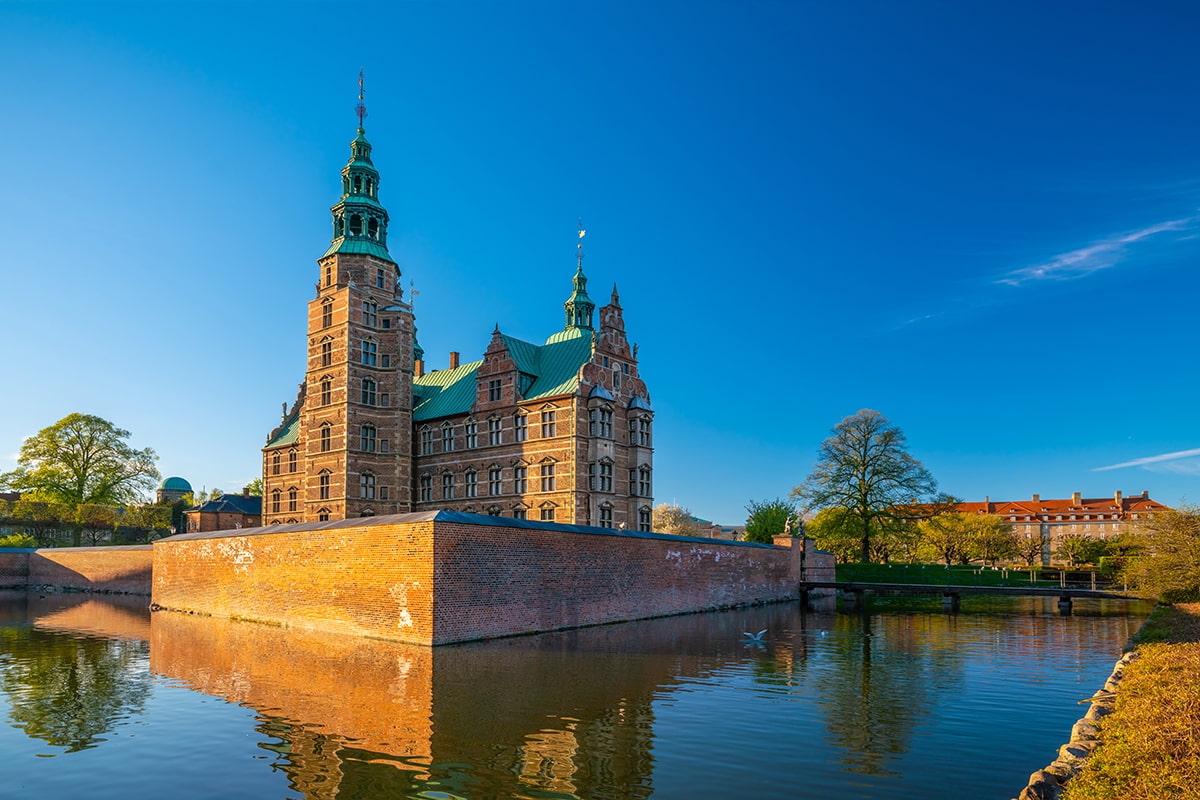
When you step through the gates into the King's Garden in Copenhagen, the Dutch Renaissance spires of Rosenborg Castle seem to pierce the grey December sky like something out of a fairy tale. For most travelers visiting in late 2025, the itinerary is predictable: marvel at the exterior, rush to the basement to see the shimmering regalia, and perhaps take a quick selfie by the moat. While the Treasury is undeniably magnificent, stopping there means missing half the story.
Rosenborg was not just a showpiece; it was a home. Specifically, it was the favorite pleasure palace of Denmark’s most colorful monarch, King Christian IV. He was an architect, a warrior, a music lover, and a man of immense personality. His eccentricities are baked into the very walls of this 400-year-old structure. If you know where to look, the castle transforms from a museum into a puzzle box of royal secrets.
To truly experience the castle, you need to look beyond the gold and diamonds. Here is your guide to the hidden details, architectural quirks, and overlooked artifacts that most visitors walk right past.
1. The Invisible Orchestra of the Winter Room
Located on the ground floor, the Winter Room is one of the most well-preserved interiors in the castle. With its dark wood paneling and rich atmosphere, it feels intimate. Most visitors admire the paintings set into the walls and move on. However, if you look closely at the floor, you might notice something strange.
King Christian IV was a great patron of the arts, particularly music. Yet, he also valued his privacy. He devised a system of sound channels—small hatches in the floor—that connected to the basement below. When the King entertained guests in the Winter Room, his royal orchestra would set up in the cellar directly underneath. Through these channels, the music would drift up into the room, seemingly coming from nowhere.
This "invisible orchestra" allowed the King to enjoy live entertainment without the musicians overhearing his private political conversations or rowdy banquets. It is a brilliant example of 17th-century acoustic engineering that reveals the King's desire for control over his environment.
2. The Narwhal Tusk Power Play in the Long Hall
Ascending to the third floor, you enter the breathtaking Long Hall. Your eyes are immediately drawn to the three life-sized silver lions guarding the throne. They are the stars of the show, and rightfully so. But look at the Coronation Chair itself, specifically the material it is made of.
To the untrained eye, the white, spiraled material looks like ivory. In reality, the chair is constructed partly from narwhal tusks. In the 17th century, narwhal tusks were believed to be the horns of unicorns. By sitting on a throne made of "unicorn horns," the King wasn't just showing off wealth; he was claiming a divine, mythical right to rule. He was literally sitting on legend.
This detail is often missed in the glare of the silver lions, but it speaks volumes about how the monarchy wanted to be perceived: magical, powerful, and chosen by God. Before you head up, check the accessibility guide, as the upper floors require navigating stairs.
3. The Secret of "The Secret" (The Royal Toilet)
It might seem mundane, but one of the most humanizing details in the castle is the King’s toilet, euphemistically known as "The Secret." Located just off the Winter Room, this tiled exuberance is more than just a bathroom; it is a status symbol.
In an era where sanitation was questionable at best, having a private, indoor latrine with a direct chute to the moat was the height of luxury. The blue and white Dutch tiles surrounding the area aren't just decorative; they were easy to clean and reflected the King's love for Dutch design. While you cannot use it today, spotting this small room gives you a glimpse into the daily reality of royal life that the grand portraits in the history section often omit.
4. The Blood-Stained Shirt of a Warrior King
While many items in the collection are designed to look beautiful, one artifact is preserved to look gruesome. Within the collection, look for the display containing a buff coat and a blood-stained shirt. These belonged to Christian IV during the Battle of Kolberger Heide in 1644.
During the battle, a cannonball exploded nearby, blinding the King in one eye and sending shrapnel into his body. Instead of hiding his injury, the King kept the bloodied clothes and even had earrings made from the shrapnel extracted from his head (which he gave to his mistress). This isn't just a piece of clothing; it is a propaganda piece. It shows a King who bled for his country. It is a visceral, violent contrast to the delicate Crown Jewels located nearby.
5. The Writing on the Glass
As you move through the rooms, pay close attention to the window panes. In the 17th and 18th centuries, it was somewhat trendy for royalty and guests to etch messages or names into the glass using diamond rings. While some panes have been replaced over the centuries due to damage, several original engravings remain.
These ghostly signatures are easy to miss if you are only looking at the furniture. They serve as a permanent graffiti of the past, proving that even royals felt the urge to leave their mark saying, "I was here."
Quick Guide: Main Attraction vs. Hidden Detail
To help you structure your visit, here is a quick comparison of what the guidebooks say versus what you should also look for:
| Room / Area | The Main Attraction | The Hidden Detail |
| The Winter Room | Ornate wooden paneling and paintings | Floor channels for the "Invisible Orchestra" |
| The Long Hall | The Silver Lions | The Narwhal Tusk (Unicorn) Throne |
| The Treasury | Christian IV's Crown | The blood-stained war clothing |
| Ground Floor | The Great Hall | "The Secret" (The tiled royal toilet) |
Practical Tips for the observant Traveler
Rosenborg is a vertical experience. You start at the bottom and work your way up, or vice versa depending on the flow of the day. Because the castle is compact and filled with objects, it can be overwhelming. Here is how to ensure you catch these details:
- Go Early or Late: The rooms are small. To inspect the floor in the Winter Room or the chair in the Long Hall without fighting a crowd, try to book the first slot of the day. Check the Plan Your Visit page for current opening hours.
- Ask the Wardens: The staff in the rooms are incredibly knowledgeable. If you ask them, "Where are the sound channels?" they are usually delighted to point them out.
- Download the Audio Guide: While your eyes are hunting for details, the audio guide can fill in the context.
- Combine with the Garden: After seeing the interior quirks, take a walk in the King's Garden. Looking back at the castle from the outside, you can see the asymmetry that reflects the King's constant additions and changes.
Rosenborg Castle is more than a container for diamonds; it is a psychological portrait of one of Scandinavia's most fascinating men. By slowing down and looking for these five hidden details, you connect with the history on a human level. You aren't just a tourist looking at a throne; you are an observer uncovering the myths, the music, and the man behind the masonry.
Ready to start your treasure hunt? Don't forget to check the FAQ section for rules regarding photography and bags before you go.