The Story of Rosenborg
"A pleasure palace in the countryside, built by Christian IV."
Christian IV's Vision
Rosenborg Castle was built by one of the most famous Scandinavian kings, Christian IV, in the early 17th century. Originally conceived as a modest summer house in the countryside, it evolved over 28 years through four distinct phases of construction.
The result is the magnificent Dutch Renaissance castle we see today—a testament to the King's architectural ambitions and his love for this specific retreat.
"The king loved Rosenborg so much that on his deathbed at Frederiksborg Castle, he commanded to be transported by sleigh to Rosenborg, where he died in 1648."


Timeline of Rosenborg
Key moments in the castle's history
1606
Christian IV purchases the land outside Copenhagen's ramparts and establishes the King's Garden (Kongens Have).
1606-1607
Construction of the first small summer house, which forms the core of the current castle.
1624
The castle reaches its current size and form after multiple expansions, embodying the Dutch Renaissance style.
1838
Rosenborg opens to the public as a museum, allowing visitors to experience the Royal Danish Collection.
The Royal Danish Collection
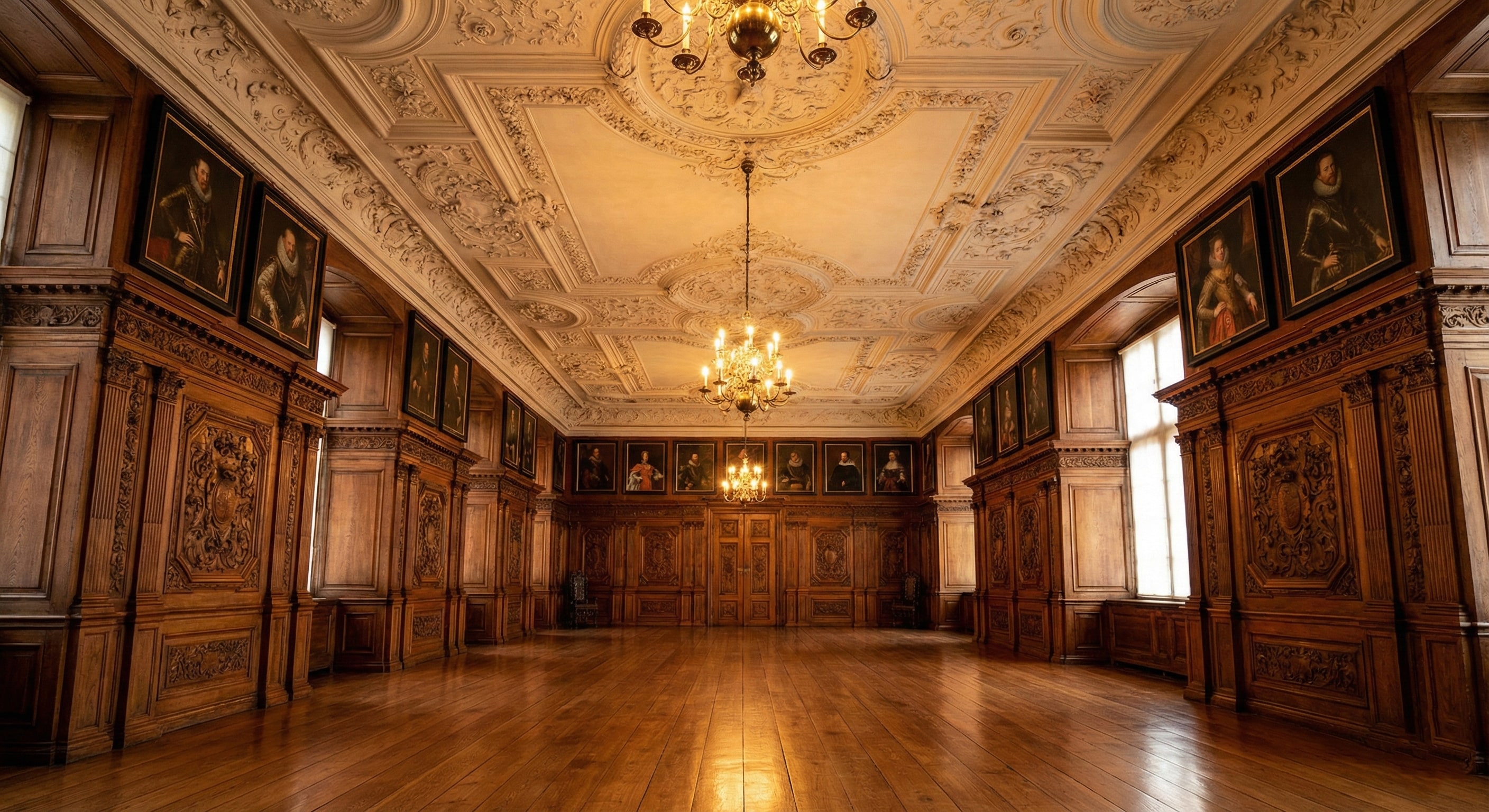
Since 1838, Rosenborg has been open to the public, housing the Royal Danish Collection. The museum features interiors that are well-preserved from the time of Christian IV to the 19th century.
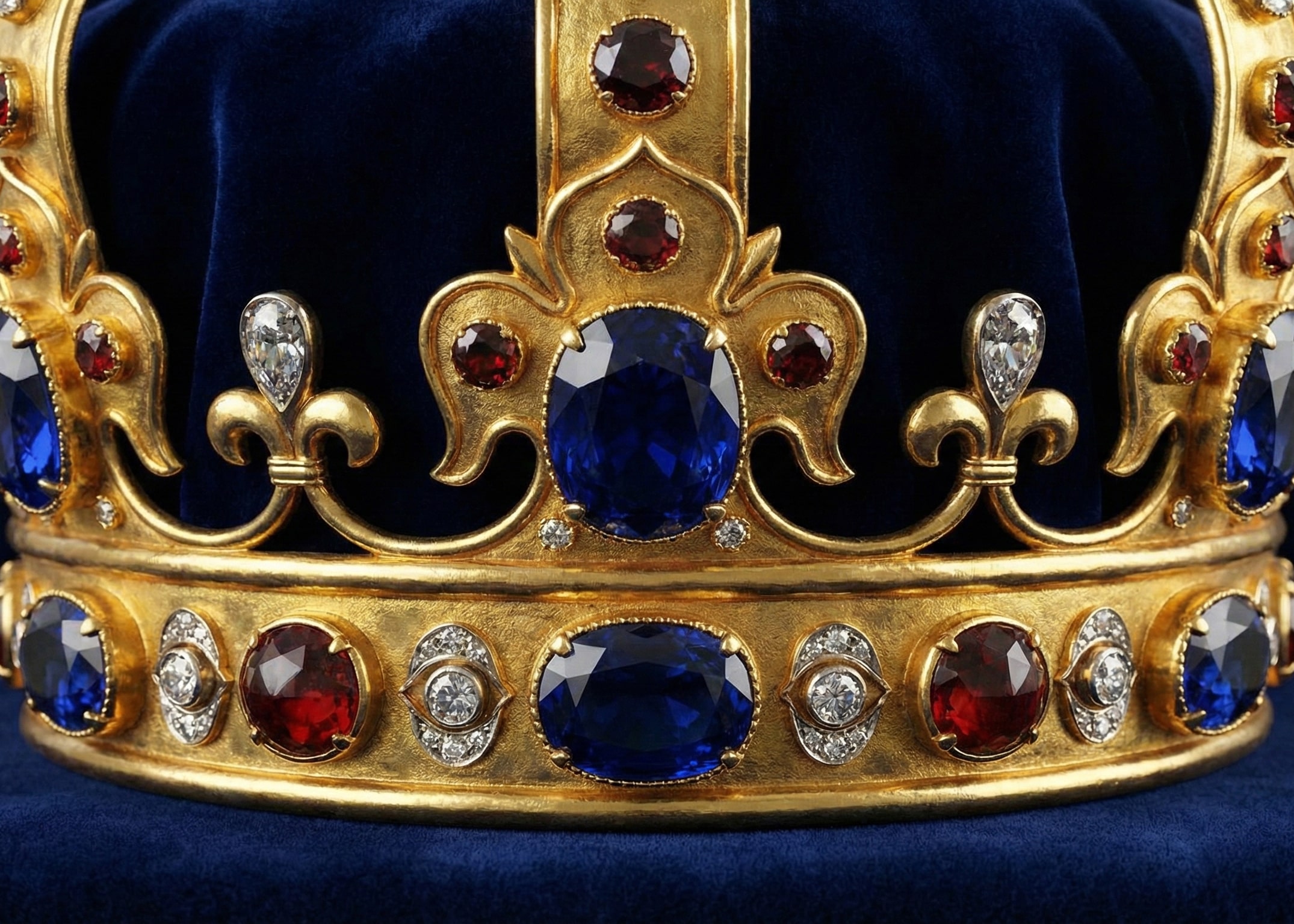
It offers a chronological journey through the lives of the Danish monarchs, showcasing their personal objects, portraits, and of course, the Crown Jewels.
Explore the Collection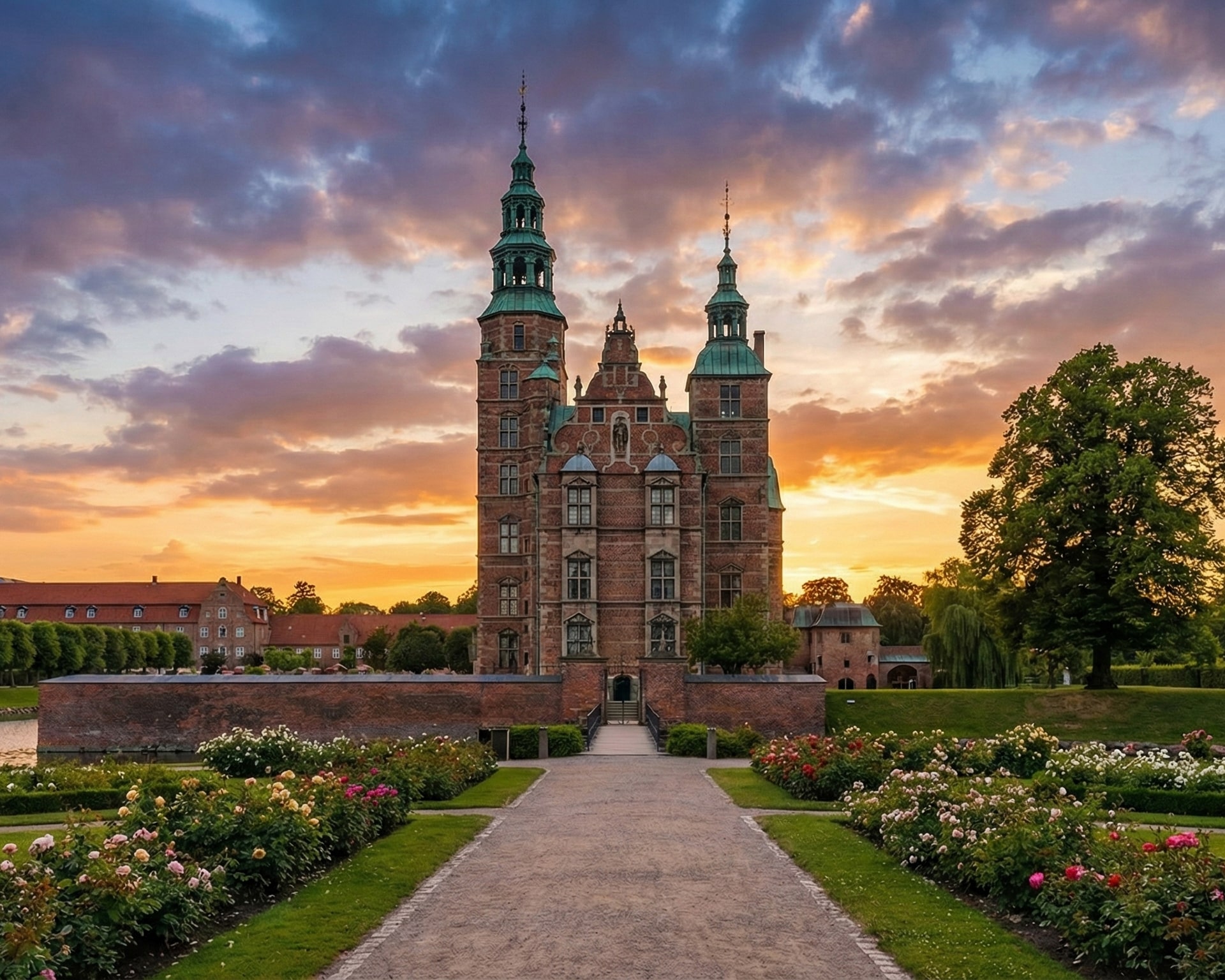
Experience History Where It Happened
Walk in the footsteps of kings and queens. Book your ticket today and step into 400 years of royal history.
Buy Tickets Now