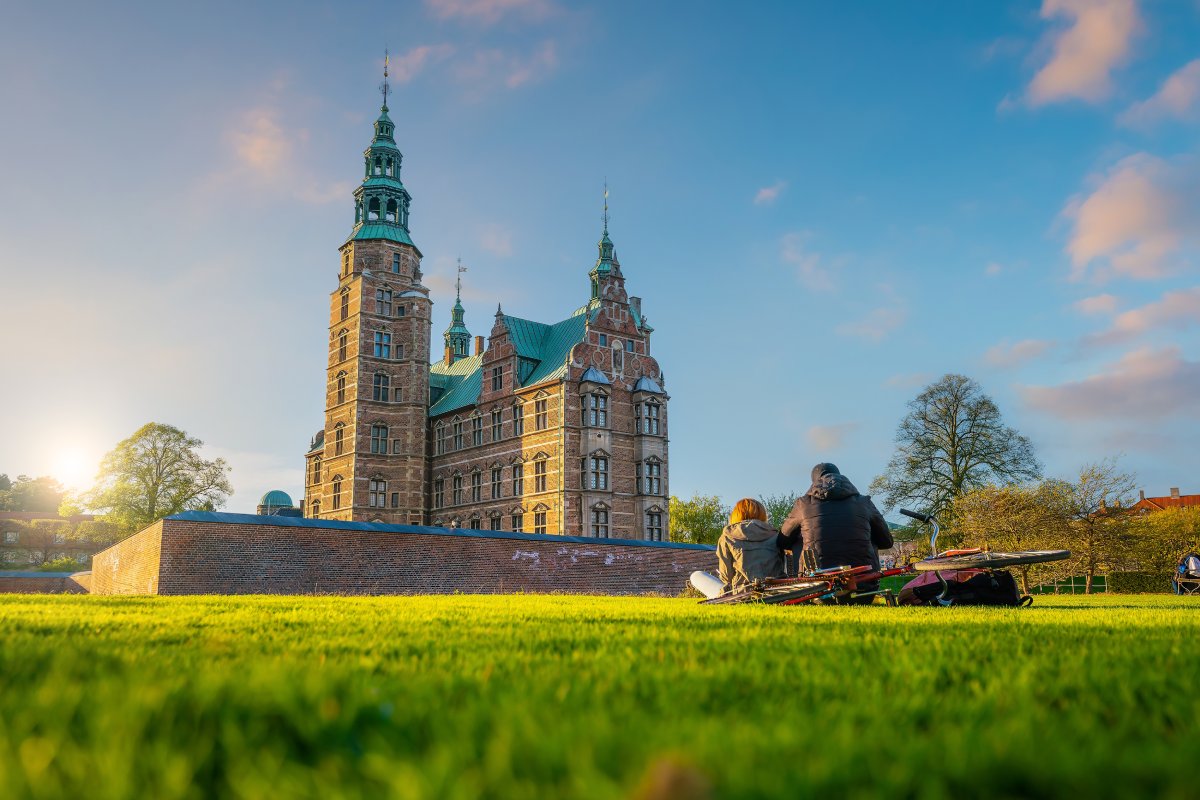
When you stand before the red brick walls and soaring copper spires of Rosenborg Castle today, it is easy to imagine that this architectural marvel appeared fully formed, a singular vision of grandeur. However, the reality of its creation is a far more organic and intriguing story of ambition, evolution, and a king’s growing desires. What started as a modest retreat from the bustle of medieval Copenhagen slowly transformed over nearly three decades into the magnificent Dutch Renaissance palace that now houses Denmark's cultural treasures. To truly appreciate this structure, one must peel back the layers of time and examine the four distinct phases that defined its construction.
The Builder King’s Vision: A Retreat in the Garden
To understand the evolution of Rosenborg, we must first understand the man behind it: King Christian IV. Known as the “Builder King,” he had an insatiable appetite for architecture and city planning. In the early 17th century, the old Copenhagen Castle was cramped, dark, and outdated. The King yearned for a sanctuary where he could breathe freely, surrounded by nature. This desire led to the acquisition of land outside the city ramparts, which would eventually become the beloved The King's Garden (Kongens Have). It was here, amidst the greenery, that the seeds of Rosenborg were sown, not originally as a fortress or a seat of government, but as a place of leisure and privacy.
Phase One (1605–1606): The Humble Summer Pavilion
The story begins in 1606. Christian IV commissioned a relatively small, two-story summer house. At this stage, the building was unrecognizable compared to the silhouette we see today. It was a modest brick structure, designed primarily for short stays during the warmer months. If you look closely at the masonry of the southern half of the current building, you are essentially looking at the ghost of this original pavilion. It was functional, intimate, and served its purpose well, giving the King a place to relax after a stroll through his newly established pleasure gardens.
Phase Two (1613–1615): The Winter Room Expansion
As with many home improvement projects, the initial structure soon proved insufficient for the King’s needs. Christian IV decided that his summer retreat should be habitable year-round. Between 1613 and 1615, the first major expansion took place. The building was extended to the north, effectively doubling its length. This expansion was crucial because it introduced one of the most significant spaces in the castle: The Winter Room. This area was designed with comfort in mind, featuring paneled walls and efficient heating, allowing the King to enjoy his garden views even as the Scandinavian snow fell. This phase signaled a shift from a temporary shelter to a permanent royal residence.
Phase Three (1624–1625): Vertical Expansion and Towers
In the mid-1620s, Rosenborg Castle’s expansion culminated with the addition of a third storey, including the grand Long Hall on the upper floor, and the transformation of earlier features into spired Renaissance towers. A large western tower was also added, significantly altering the castle’s profile and giving the building a more dramatic vertical emphasis. Following these changes, Christian IV began referring to the structure in 1624 as his “great house in the garden,”marking Rosenborg’s evolution from a simple country home to an architecturally complete Renaissance palace.
Phase Four (1633–1634): The Grand Finale
The final major stage of Rosenborg’s development took place in the early 1630s, culminating in a refined and richly articulated palace that embodied Christian IV’s architectural ambitions. During this period, the upper levels of the castle were completed and embellished to house the magnificent Long Hall, a grand ceremonial space adorned with symbolic decoration and suited to royal functions. At the same time, the castle’s roofline was unified with elegant towers and spires on both the western and eastern sides, giving Rosenborg the symmetrical, spire-laden silhouette that defines it today. With these finishing touches, the castle had evolved from a modest summer retreat into a palace fit to host feasts, receptions, and court life, a powerful architectural expression of the monarchy’s prestige.
Summary of Construction Phases
To help visualize this complex history, here is a breakdown of how the castle grew over time:
| Phase | Years | Key Addition | Architectural Purpose |
| Phase 1 | 1605–1606 | Original Summer Pavilion | A modest retreat for day use in the gardens. |
| Phase 2 | 1613–1615 | Northern Extension | Expansion to create the Winter Room for year-round living. |
| Phase 3 | 1624–1625 | The Great Tower | Added verticality and status to the western facade. |
| Phase 4 | 1633–1634 | The Long Hall & East Tower | Finalized the symmetry and added ceremonial grandeur. |
A Masterpiece of Dutch Renaissance Style
Throughout these four phases, the unifying aesthetic remained the Dutch Renaissance style. Christian IV employed master builders like Hans van Steenwinckel the Younger and Bertel Lange to ensure visual continuity. The red brick masonry, contrasted with horizontal bands of sandstone and ornate gables, creates a vibrant visual rhythm. The green copper roof and the soaring spires are the crowning jewels of this style. For those interested in the deeper architectural context, our History page offers a comprehensive look at how this style influenced Copenhagen's skyline.
Experiencing the Layers of History
When you visit Rosenborg today, you are walking through a timeline. The interiors have been preserved to reflect the changing tastes of the Danish monarchs who lived here. Visitors move from the more intimate, dark-paneled rooms associated with Christian IV on the lower floors to the grand ceremonial spaces above.
- The Basement: Home to the treasury and the breathtaking Crown Jewels & Regalia.
- Ground Floor: The private chambers, including the Winter Room from Phase Two.
- Top Floor: The Knight’s Hall (Long Hall) featuring the coronation chairs and silver lions, the most ceremonial space in the castle.
For a detailed guide on what to see inside, check our Rooms & Highlights section before you arrive.
Planning Your Journey to the Past
Rosenborg is more than a museum; it is a time capsule located in the heart of modern Copenhagen. Because the castle is a historic building with narrow staircases and delicate interiors, capacity is limited to ensure the preservation of the artifacts and the safety of visitors. We highly recommend planning ahead.
If you have specific mobility requirements, please review our Accessibility page, as the historic nature of the building presents some limitations. For general inquiries about photography, bags, or cloakrooms, our Frequently Asked Questions page is a great resource.
Final Thoughts
From a small summer house to a grand palace, Rosenborg’s evolution is a testament to the vision of Christian IV. It stands not just as a building, but as a biography of a king written in brick and sandstone. Whether you are exploring the Plan Your Visit options or simply strolling through the surrounding gardens, the presence of history is palpable. We look forward to welcoming you to experience this architectural journey firsthand.