
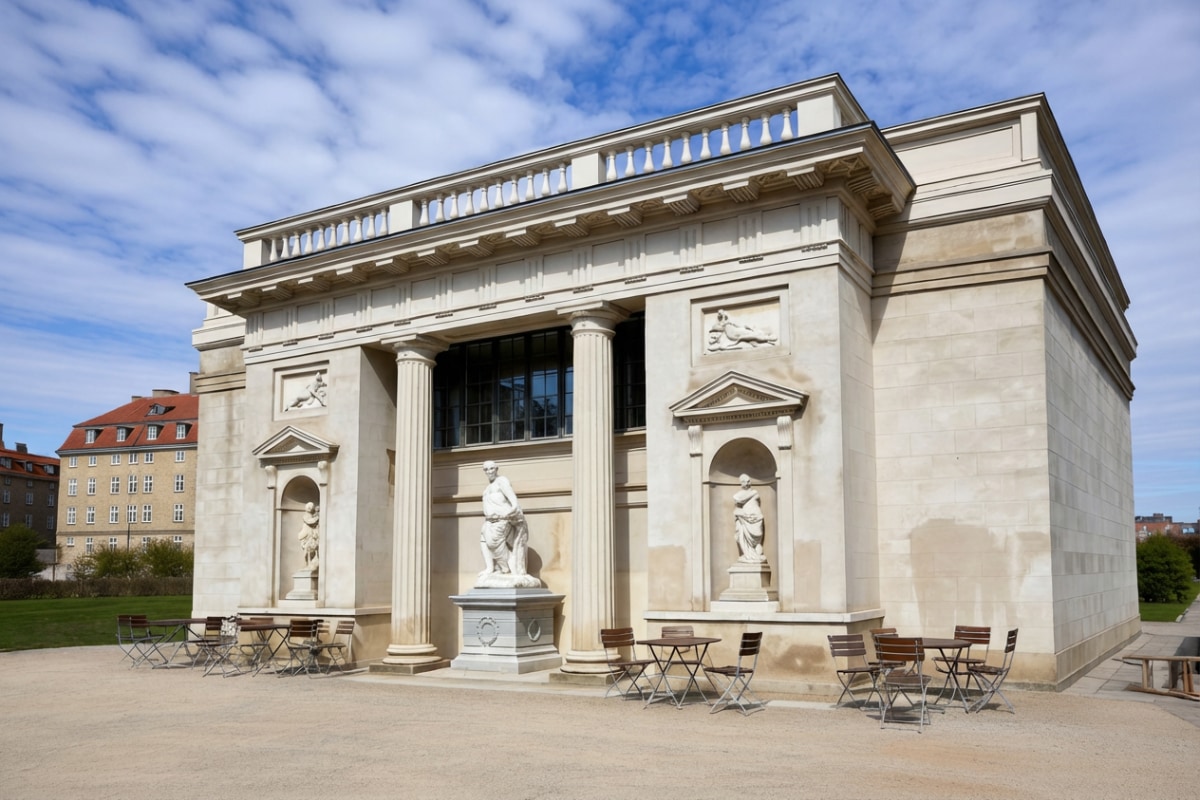
When you step away from the bustling city streets and immerse yourself in the tranquility of The King's Garden, the atmosphere shifts almost instantly. Among the manicured lawns, ancient trees, and seasonal blooms, there stands a structure that captures the imagination not just for its beauty, but for the stories it holds within its walls. The Hercules Pavilion is more than just a picturesque backdrop for a summer picnic; it is a testament to the Baroque era's architectural ambition and a silent witness to centuries of royal history. Whether you are an architecture enthusiast or a casual stroller enjoying the December crispness, this pavilion offers a unique window into the past.
Many visitors who come to admire the castle and the Crown Jewels & Regalia often stumble upon this gem by accident, yet it deserves a dedicated spot on your itinerary. Originally conceived as a place of solitude and exclusivity, the pavilion has transformed remarkably over the years. Today, we invite you to look closer at the intricate details of its façade and peel back the layers of history that transformed a private royal hermitage into a beloved public gathering spot.
From Royal Hermitage to Architectural Icon
To truly appreciate the Hercules Pavilion, one must understand its original purpose. It was not initially built for the public eye but rather for the private indulgence of the monarchy. In the 17th and 18th centuries, the concept of a 'hermitage' was popular among European royalty—a secluded retreat within the palace grounds where kings could escape court etiquette. This structure began its life serving precisely that function, acting as an intimate space for tea, contemplation, and private meetings away from the prying eyes of the main palace.
If you dive deeper into the site's history, you will discover that the pavilion we see today is the result of significant evolution. The building has undergone various renovations to maintain its structural integrity and aesthetic appeal. What started as a modest retreat was later embellished to reflect the grandeur of the Baroque style, serving as a focal point at the end of the garden's carefully designed avenues. It stands as a reminder of a time when the garden was a stage for royal power and prestige, strictly accessible only to the privileged few.
A Masterpiece of Baroque Design
The architecture of the Hercules Pavilion is a striking example of the period's love for symmetry, classical mythology, and dramatic flair. The structure is named after the central statue of Hercules, the Roman hero and god, symbolizing strength and resilience. This choice of iconography was not accidental; it was a deliberate projection of the monarch's power and the stability of the realm. As you approach the pavilion, take a moment to admire the deep niches and the rhythmic placement of pilasters that create a play of light and shadow, changing throughout the day.
For those interested in the finer details, the following table breaks down the key architectural features you should look for during your visit:
| Feature | Significance | What to Look For |
| The Hercules Statue | Symbol of Royal Power | The muscular definition and the lion skin attribute. |
| The Flanking Niches | Classical Balance | Statues of other mythological figures representing virtues. |
| Roof Structure | Baroque Silhouette | The copper detailing that has weathered to a distinct green. |
The interior, though often repurposed for modern use, retains the ghostly elegance of its past. It is easy to imagine the rustle of silk gowns and the quiet murmur of aristocratic conversation that once filled these spaces. For a broader understanding of the artistic treasures found across the estate, make sure to check our Rooms & Highlights page.
The Transformation: A Public Cultural Hub
The most fascinating aspect of the Hercules Pavilion is its journey from exclusivity to inclusivity. As the monarchy's relationship with the public shifted and the gardens were opened to the citizens, the pavilion's role changed drastically. It ceased to be a forbidden sanctuary and became a backdrop for the leisure of the common people. This transition marks a significant cultural shift, turning a symbol of absolute power into a beloved democratic space.
Many visitors share their experiences of finding solace and inspiration within the garden, often gravitating towards the Hercules Pavilion for its serene atmosphere. Imagine sitting on a bench near the pavilion, sketchbook in hand, capturing the interplay of light and shadow on its façade, or enjoying a quiet moment of reflection amidst the bustling city. These are the moments that connect visitors to the pavilion's enduring legacy.
In recent years, the pavilion has hosted small concerts, cultural events, and even served as a quaint café setting during the warmer months. It anchors the garden, providing a sense of scale and history to the joggers, families, and tourists who frequent the paths today. This adaptability is what keeps historic structures alive; by finding new purposes, they remain relevant to contemporary society while preserving their heritage.
Just a short walk from the Hercules Pavilion, you'll find the Rose Garden, a fragrant haven showcasing a variety of rose species. To the east lies the Orangery, a stunning example of Baroque architecture in its own right, historically used to protect citrus trees during the winter months. These nearby landmarks add to the rich tapestry of history and beauty that the King's Garden offers.
Planning Your Visit
Exploring the Hercules Pavilion is best done as part of a broader tour of the castle grounds. Since the pavilion is located within the gardens, it is generally accessible to the public during park opening hours. However, if you wish to tour the interior of the nearby castle or see the treasury, you will need to plan your visit in advance. The gardens themselves are a delight in every season, offering a different palette of colors from the vibrant tulips of spring to the stark, poetic beauty of winter.
Practical Tips for Travelers
- Timing: The lighting in the late afternoon hits the pavilion's façade beautifully, making it the perfect time for photography.
- Comfort: The paths are gravel, so comfortable walking shoes are recommended. Check our accessibility page if you have mobility concerns.
- Tickets: While the garden is free, entering the associated museums and castle requires a ticket. We highly recommend you book tickets online to skip the queues.
- Questions: If you are unsure about photography rules or opening times for specific sections, our Frequently Asked Questions section covers everything you need to know.
The Hercules Pavilion stands as a reminder that history is not static. It lives, breathes, and evolves with the people who walk past it. Whether you are there to study the Baroque lines or simply to enjoy a quiet moment on a bench nearby, the pavilion offers a deep connection to the cultural heartbeat of the city. Don't miss the chance to witness this architectural jewel with your own eyes.