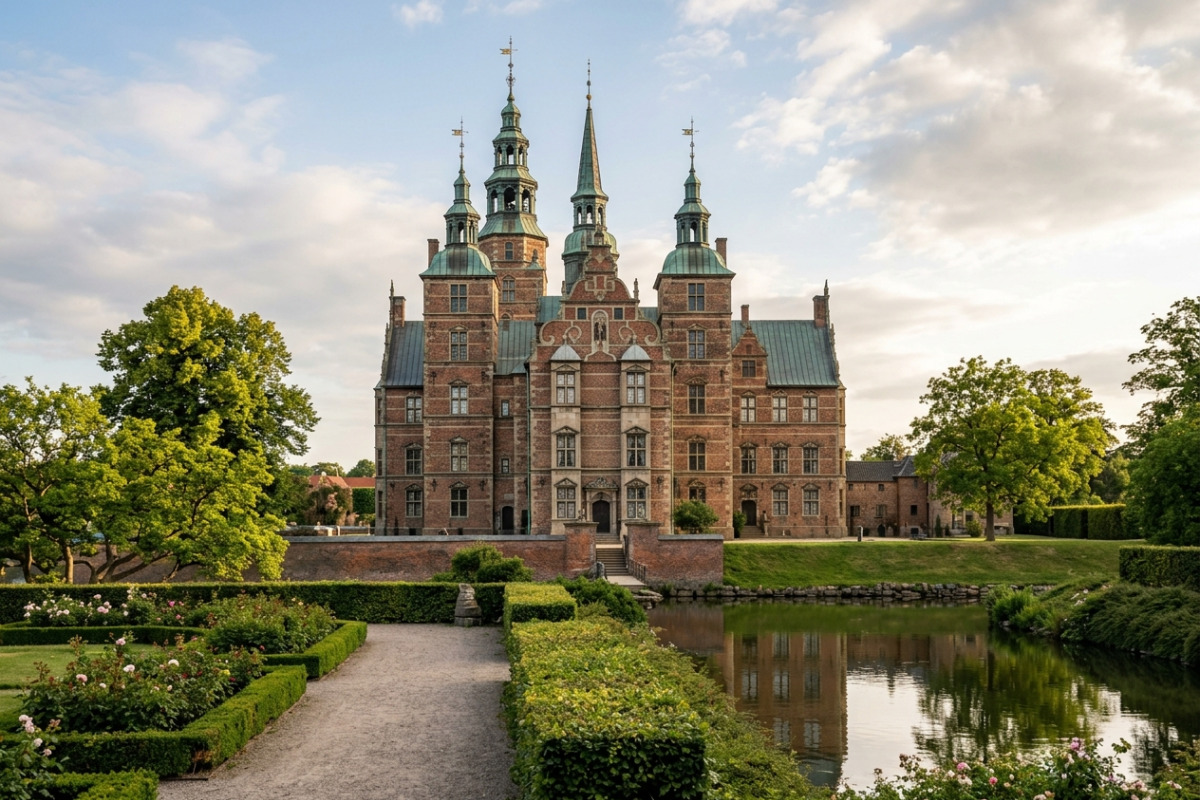
Rosenborg Castle, a stunning example of Renaissance architecture, is not just a monument; it embodies the cultural heartbeat of Denmark. As you walk through its halls and gardens, you are transported back in time, witnessing the royal history that has shaped Danish identity. This post delves into the cultural significance of Rosenborg Castle, highlighting its role in Danish heritage and its enduring legacy in modern society.
The Historical Context of Rosenborg Castle
Constructed in the early 17th century during the reign of King Christian IV, Rosenborg Castle was originally intended as a summer residence. Its architectural style mirrors the grandeur of the period, incorporating elements that reflect the power and aspirations of the Danish monarchy. The castle not only served as a royal abode but also played a pivotal role in the cultural and political life of Denmark.
Over the centuries, Rosenborg has witnessed significant historical events, acting as a backdrop to royal ceremonies, celebrations, and even conflicts. Its design, including the ornate interiors and impressive collections, provides insight into the lifestyles of Danish royals and their guests. This historical context enriches the visitor experience, making each room a narrative of its own.
Art and Artifacts: A Reflection of Royal Life
One of the most captivating aspects of Rosenborg Castle is its vast collection of art and artifacts, which offer a glimpse into the opulence of royal life. The castle houses an impressive array of paintings, tapestries, and decorative arts that not only showcase artistic talent but also reflect the values and aspirations of the time. Each piece tells a story, linking the past with the present.
Furthermore, the artifacts, including the Danish Crown Jewels, symbolize authority and the continuity of the monarchy. These treasures are not merely objects of beauty; they represent centuries of tradition, power, and national pride. Exploring these collections allows visitors to appreciate the intricate relationship between art and monarchy, revealing how culture and governance intertwine.
The Role of Rosenborg in Modern Danish Identity
Today, Rosenborg Castle is more than just a historical site; it is a vital part of Denmark's national identity. It attracts thousands of visitors each year, offering insights into Danish history and culture. The castle serves as a reminder of the country's royal heritage while also acting as a venue for cultural events and exhibitions that celebrate Danish art and history.
Additionally, the castle's gardens provide a tranquil escape for locals and tourists alike, fostering a sense of community and connection to nature. This blend of historical significance and contemporary relevance underscores Rosenborg's role in nurturing Danish identity, making it a cherished landmark in Copenhagen.
Visiting Rosenborg Castle: A Cultural Journey
If you're planning a visit to Rosenborg Castle, you're in for a treat. The castle offers a unique opportunity to engage with Denmark's rich heritage. To make the most of your experience, consider purchasing tickets in advance. This will not only save you time but also ensure that you can fully immerse yourself in the cultural journey that awaits.
For those looking to explore further, the surrounding King's Garden provides a beautiful setting to relax and reflect on your visit. You can also explore additional exhibitions that showcase various aspects of Danish culture. For more information on planning your visit, check out our Plan Your Visit page.