Rosenborg Castle is not just a royal residence; it is a testament to the architectural prowess of its time. Nestled in the heart of Copenhagen, this 17th-century gem offers a window into the past, showcasing the grandeur of Danish royal history. As you step through its gates, you are not only entering a castle but also embarking on a journey through time, where each brick tells a story of ambition, artistry, and regal legacy.
The Architectural Marvels of Rosenborg
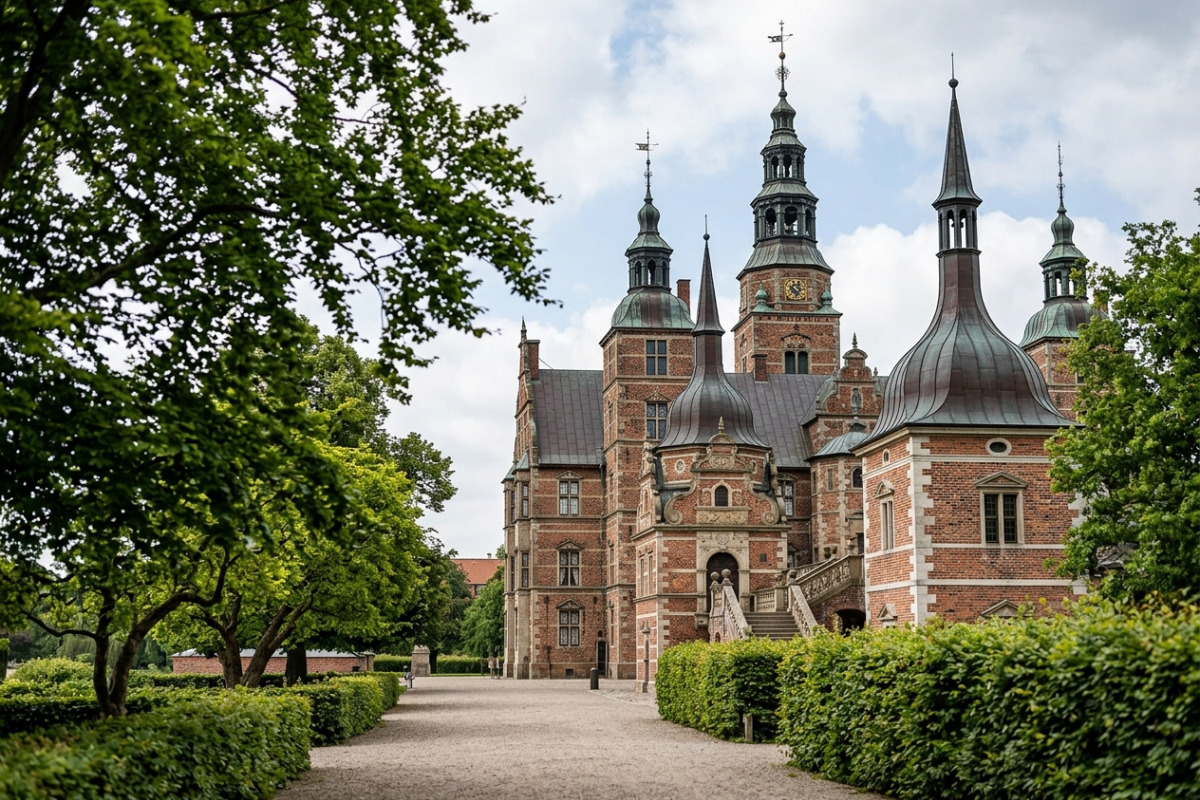
The architectural style of Rosenborg Castle is a blend of Renaissance and Dutch Mannerism, which reflects the tastes and ideals of King Christian IV, who commissioned its construction. The castle features intricate details such as ornate gables, decorative brickwork, and an impressive central tower that dominates the skyline. These elements are not merely aesthetic; they serve a purpose, symbolizing the king's power and authority over his realm.
As you explore the castle, pay attention to the unique facade, which is adorned with sculptures and motifs that narrate the history of Denmark. The careful selection of materials, including red brick and limestone, was a conscious choice to convey stability and strength, reinforcing the castle’s role as a royal stronghold.
Hidden Details and Symbolism
One of the most fascinating aspects of Rosenborg Castle is the hidden symbolism embedded within its architecture. For instance, the use of certain animals and emblems in the design reflects the royal lineage and Denmark's rich folklore. As you walk through the halls, you might notice the recurrent theme of the lion, a symbol of courage and strength, prominently featured in various decorations.
Additionally, the layout of the gardens surrounding the castle is meticulously planned to complement the architectural style, creating a harmonious balance between nature and structure. This interplay is not only visually stunning but also serves to enhance the visitor experience, drawing you into the royal narrative.
The Role of Rosenborg in Danish Culture
Rosenborg Castle has played a significant role in shaping Danish culture and identity. It has been a repository of national treasures, housing items such as the Crown Jewels and other royal artifacts. These treasures are not just valuable; they represent the history and heritage of Denmark, connecting past generations with the present.
Visiting Rosenborg is more than a stroll through history; it is an immersion into the cultural fabric of Denmark. The castle regularly hosts exhibitions that bring to life the stories behind its artifacts, making it an educational experience for all ages. If you are planning your visit, consider checking out the exhibitions that delve deeper into this fascinating history.
Planning Your Visit to Rosenborg Castle
To fully appreciate the architectural splendor of Rosenborg Castle, planning your visit is essential. The castle is situated within the lush King’s Garden, which provides a picturesque backdrop for your exploration. Make sure to allocate sufficient time to wander through both the castle and the gardens to capture the essence of this royal estate.
For a seamless experience, you can purchase tickets online. This not only saves you time but also ensures you have access to any special events or guided tours that may be taking place during your visit.
Conclusion
Rosenborg Castle stands as a monumental achievement in architecture and a symbol of Denmark's royal history. Its intricate design, rich symbolism, and cultural significance make it a must-visit destination for anyone interested in history and architecture. So, whether you are a local or a tourist, take the time to explore this magnificent castle and uncover the secrets it holds. For more information and to plan your visit, head over to Plan Your Visit.