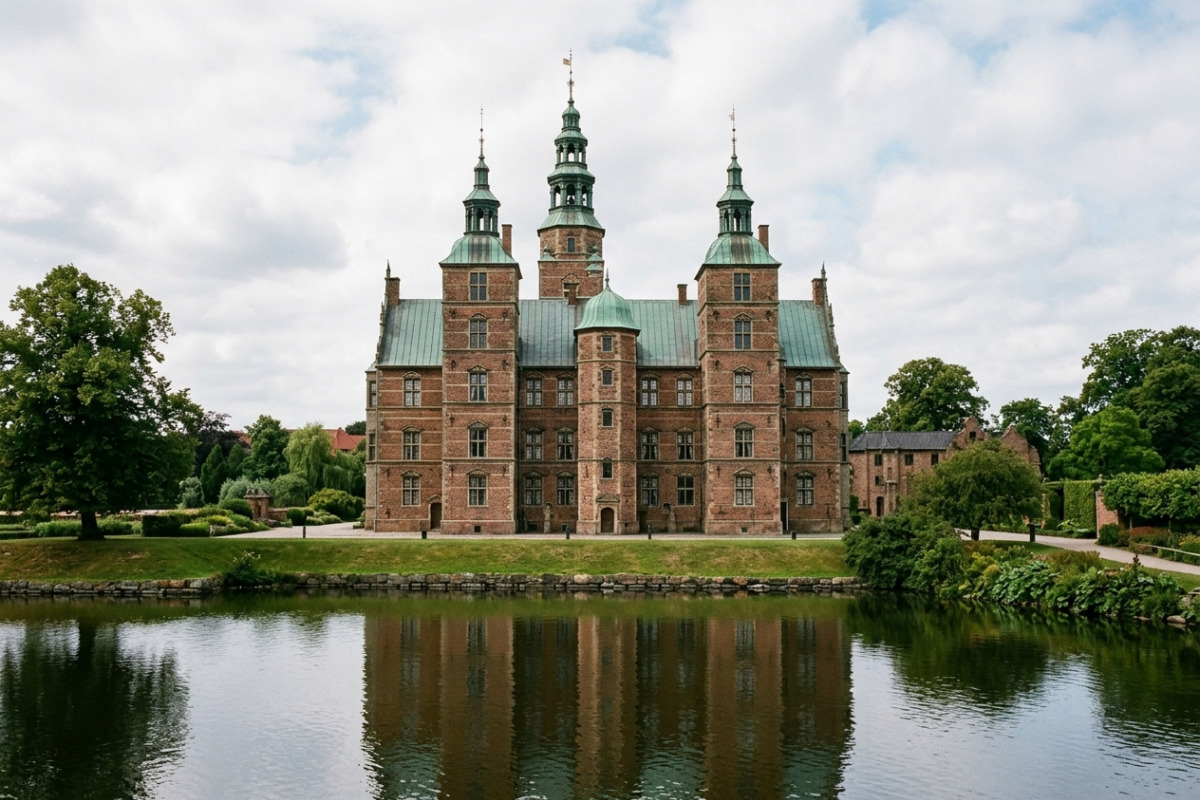
When you think of Rosenborg Castle, what comes to mind? Perhaps the majestic architecture or the stunning gardens? However, there’s a deeper layer of history that often goes unnoticed—stories of intrigue, art, and royal life that shaped this Danish icon. By delving into these hidden histories, you can enrich your visit and appreciate the castle's significance beyond its beautiful façade.
The Origins of Rosenborg Castle
Constructed in the early 17th century by King Christian IV, Rosenborg Castle was originally designed as a summer residence. Its Renaissance architecture, inspired by Italian designs, symbolizes the king's ambition and desire for a grand representation of royal power. Yet, the castle's creation was not merely about aesthetics; it also served as a strategic move to consolidate the crown's wealth and influence.
As you walk through the castle, notice the intricate decorations and artwork that tell tales of the bygone era. The castle has undergone various modifications since its inception, each adding layers to its historical narrative. Understanding its origins helps you appreciate the craftsmanship and thought that went into its design.
The Royal Treasures and Their Stories
Rosenborg Castle is home to a stunning collection of royal artifacts, including crowns, scepters, and ceremonial regalia. But beyond their visual appeal lies a wealth of stories. For instance, the Crown of Christian V not only symbolizes authority but also reflects the craftsmanship of its time. Each piece has its own unique history, often tied to significant events in Danish history.
As you explore the castle, take time to examine these treasures closely. Consider the stories of the individuals who wore them and the events they witnessed. This perspective transforms a simple viewing into a personal connection with Denmark's royal past.
Architectural Wonders: Beyond the Surface
The architecture of Rosenborg Castle is not just about visual beauty; it embodies the cultural and political aspirations of its time. The castle features elements of Renaissance style, yet it also incorporates Baroque details added in later renovations. This blend of styles reflects the evolution of Danish architecture and the changing tastes of its royal inhabitants.
As you tour the castle, pay attention to the small architectural details—like the ornate ceilings, intricate moldings, and symbolic motifs. Each element serves a purpose, narrating the story of its time and the vision of the rulers who resided there. To truly appreciate these details, consider how they reflect the values and aspirations of the Danish monarchy.
Experiencing Rosenborg: A Journey Through Time
Your visit to Rosenborg Castle can be more than just a walk through history; it can be a fully immersive experience. Participating in guided tours or engaging with interactive exhibitions can provide deeper insights into the castle's treasures and its historical context. These experiences often highlight lesser-known stories, giving you a richer understanding of what each room and artifact represents.
Moreover, consider exploring the surrounding King’s Garden, which complements the castle’s grandeur. The garden is not only a beautiful landscape but also a vital part of the castle’s history, having been designed in conjunction with the castle itself. A stroll through the gardens can provide a refreshing perspective on the royal life that once thrived here.
Plan Your Visit to Maximize Your Experience
To fully enjoy your visit to Rosenborg Castle, planning is essential. Ensure you check for ticket availability and consider joining a guided tour for an enriched experience. For more information on ticket prices and purchasing options, visit here. Additionally, familiarize yourself with the castle's layout and key exhibits to make the most of your time.
By preparing in advance, you can ensure that your visit is not just a casual stroll but a meaningful journey through Denmark’s royal heritage.
Conclusion
Exploring the hidden history of Rosenborg Castle offers a unique perspective that enhances your understanding of its significance. From its origins to the stories of its royal treasures and architectural details, each aspect contributes to a rich tapestry of Danish history. Don't miss the chance to uncover these stories on your next visit. For more tips on planning your visit, click here to discover everything you need to know.